OEM vs. Aftermarket Compressor Parts: What’s the Real Difference?
-
March 18, 2026
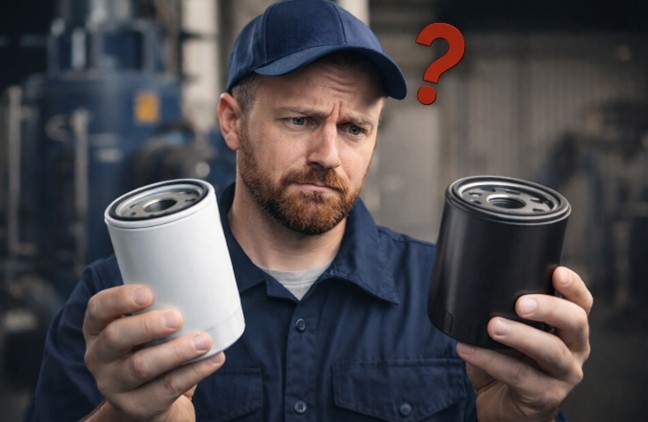
When it comes time to purchase maintenance or repair parts for compressors, vacuum pumps, or blowers, one of the most common questions maintenance teams face is whether to purchase OEM (Original Equipment Manufacturer) parts or high-quality aftermarket alternatives.For consumable maintenance items like oil filters, air filters, air-oil separators, and compressor lubricants, the choice can impact cost, uptime, and long-term operating efficiency.So, what is the real difference — and when does each option make sense?
What is an OEM Compressor Part?
An OEM (Original Equipment Manufacturer) compressor part is either produced or branded by the original compressor manufacturer.For example:
What is an OEM Compressor Part?
An OEM (Original Equipment Manufacturer) compressor part is either produced or branded by the original compressor manufacturer.For example:
- An original brand oil filter manufactured and sold under the OEM name
- An original brand separator supplied through OEM channels
- An original brand air filter labeled and packaged as factory original
OEM parts are designed to meet the original specifications of the equipment make and model they support. They are typically:
- Manufactured to the original equipment maker’s engineering standards
- Specified in the equipment manual
- Covered under OEM warranty policies (when applicable)
Many maintenance managers and technicians choose OEM parts during the warranty period or when company policy requires original manufacturer components.
What is an Aftermarket Compressor Part?
An aftermarket compressor part is produced by a third-party manufacturer and engineered to meet or exceed the functional specifications of the original component.High-quality aftermarket maintenance parts are typically designed to match:
What is an Aftermarket Compressor Part?
An aftermarket compressor part is produced by a third-party manufacturer and engineered to meet or exceed the functional specifications of the original component.High-quality aftermarket maintenance parts are typically designed to match:
- Dimensional tolerances
- Micron filtration ratings
- Pressure drop characteristics
- Temperature resistance
- Oil compatibility and ISO requirements
For consumables like filters and separators, the goal of a reputable aftermarket is simple:Deliver equivalent performance in filtration efficiency, service life, and system protection — often at a lower cost.It is important to note that not all aftermarket parts are created equal. Quality depends on manufacturing standards, materials used, and engineering controls.
Are Aftermarket Parts Lower Quality?
This is one of the most common concerns — and the answer depends on the manufacturer.High-quality aftermarket compressor parts are often manufactured to strict standards such as ISO-certified processes and tested for:
Are Aftermarket Parts Lower Quality?
This is one of the most common concerns — and the answer depends on the manufacturer.High-quality aftermarket compressor parts are often manufactured to strict standards such as ISO-certified processes and tested for:
- Filtration efficiency (micron rating)
- Collapse strength
- Pressure drop performance
- Thermal resistance
- Media durability over service interval
For example:
- Many rotary screw compressor oil filters are engineered to capture contaminants in the 10–25-micron range, depending on the application.
- Air-oil separators are typically designed to control oil carryover within approximately 2-5 ppm under normal operating conditions.
- Air intake filters may target filtration efficiencies above 99% at specified micron levels, depending on environmental conditions.
When comparing OEM and aftermarket parts, these measurable performance criteria – not just brand labeling – should be evaluated.
When Should You Choose OEM?
OEM parts may be the preferred option when:
When Should You Choose OEM?
OEM parts may be the preferred option when:
- The compressor is still under factory warranty.
- Corporate maintenance policy requires original manufacturer parts.
- A proprietary or highly specialized component is involved.
- Compliance or audit standards mandate OEM documentation.
For certain facilities, maintaining brand alignment across equipment and parts simplifies procurement and recordkeeping.
When Does Aftermarket Make Sense?
Aftermarket parts often make sense when:
When Does Aftermarket Make Sense?
Aftermarket parts often make sense when:
- Equipment is out of warranty.
- Cost control is a priority.
- Facilities are managing multiple compressor brands.
- Replacement parts are needed quickly.
For high-frequency maintenance items such as:
The cost difference over multiple service intervals can be significant — especially in larger operations.When properly engineered and correctly cross-referenced, aftermarket consumables can provide reliable performance while reducing operating costs.
How to Cross-Reference Compressor Parts Correctly
Whether choosing OEM or aftermarket, correct cross-referencing is critical.To ensure compatibility:
How to Cross-Reference Compressor Parts Correctly
Whether choosing OEM or aftermarket, correct cross-referencing is critical.To ensure compatibility:
- Verify the exact OEM part number from your compressor manual or existing component.
- Confirm compressor model and serial number where required.
- Compare technical specifications:
- Micron rating
- Operating pressure range
- Temperature rating
- Service interval expectations
- Ensure dimensional match (thread size, gasket type, housing length, etc.)
For maintenance consumables, performance specifications matter more than brand labeling.When in doubt, consult a parts specialist who can confirm equivalency for purchase and installation.
The Bottom Line
OEM and high-quality aftermarket compressed air parts both have a place in a smart maintenance strategy.The right choice can depend on:
The Bottom Line
OEM and high-quality aftermarket compressed air parts both have a place in a smart maintenance strategy.The right choice can depend on:
- Warranty status
- Budget priorities
- Maintenance volume
- Operational risk tolerance
For routine consumables, understanding the technical specifications behind each part allows maintenance teams to make informed decisions — rather than simply defaulting to branding alone.

Share on Facebook

Share on X

Share on LinkedIn
Related Products
Recent Posts